
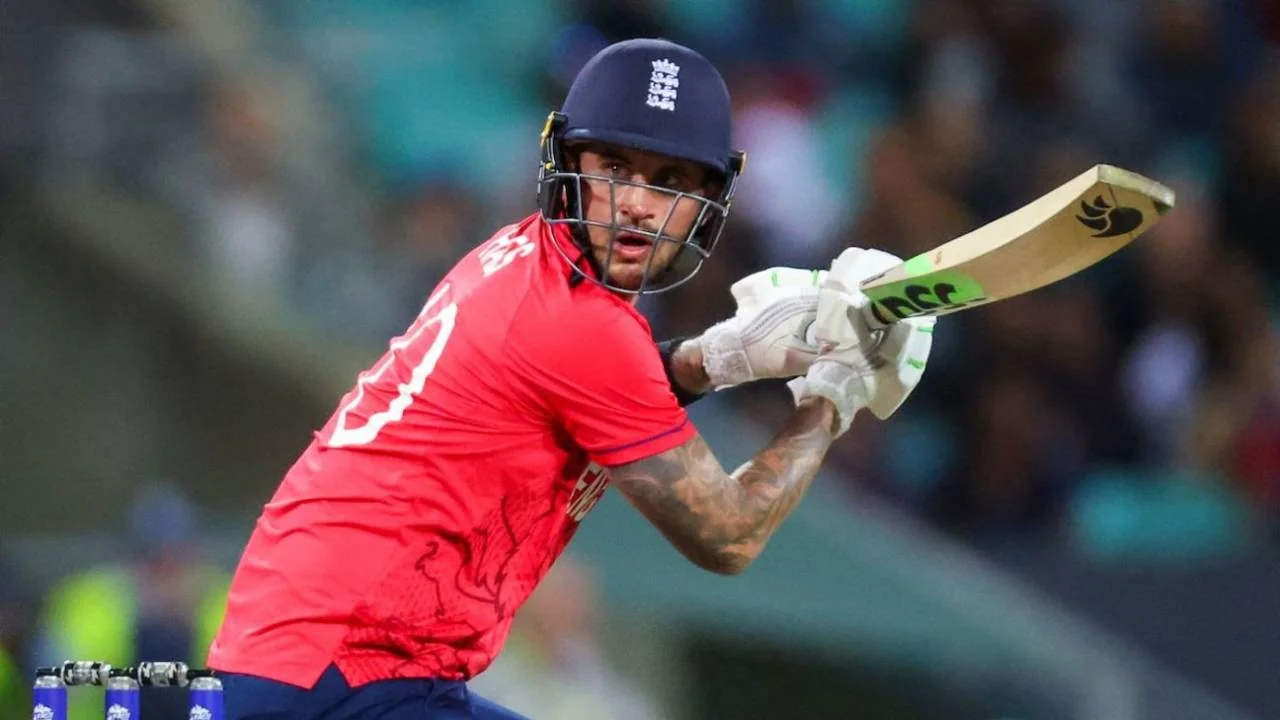
Moeen, Hales Lead England Contingent for APL 2026
Eight English players, led by Moeen Ali and Alex Hales, signed at the APL draft in Dubai — but their places depend on an ICC sanction the league is waiting for.
The ECB's chief executive has added his voice to the questions around the new league.
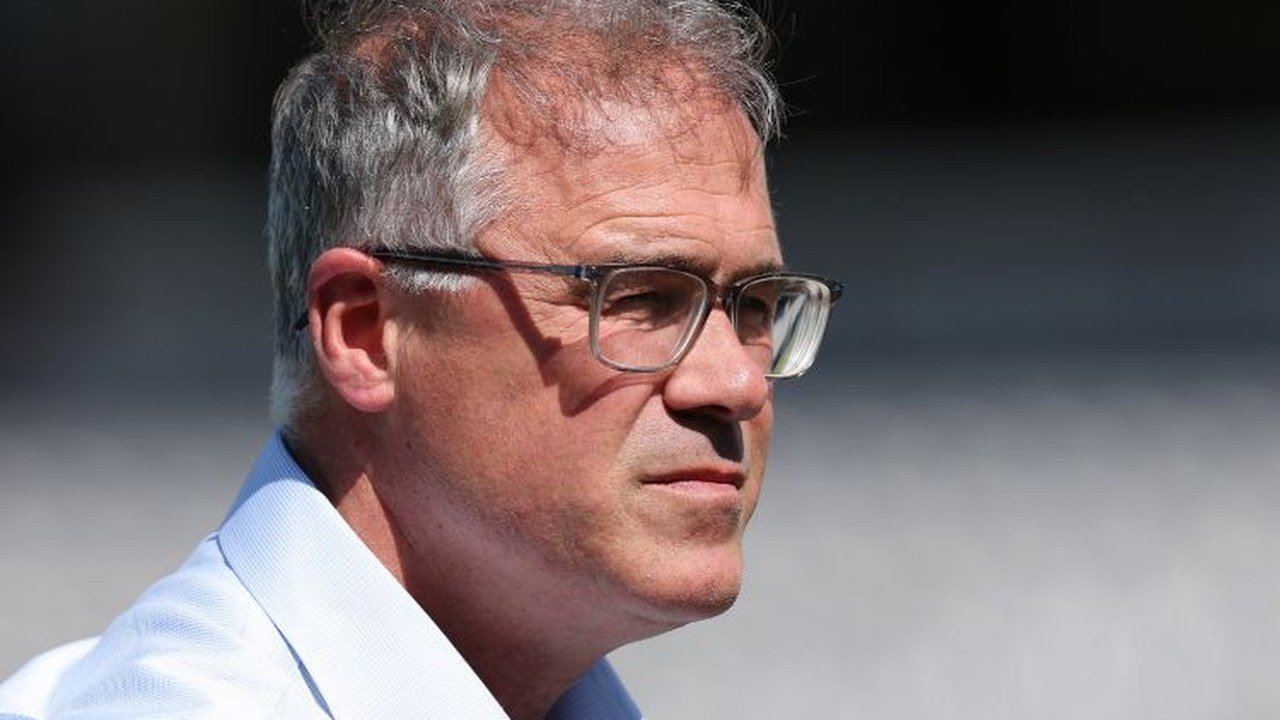
The chief executive of the England and Wales Cricket Board, Richard Gould, is concerned by the Afghanistan Premier League, according to a report in The Cricketer on 5 November 2026. The report, by George Dobell, says Gould's particular concern is that the tournament will effectively be funded by ICC member contributions, money provided in the expectation that it will be used, in part, to develop women's cricket. The concern lands at a delicate moment for the league: eight English players were picked in its draft on 3 November, yet the tournament still awaits formal sanction from the ICC, and the ECB has yet to decide whether to grant the no-objection certificates the players need. ESPNcricinfo has since confirmed the substance of the interview, reporting that the ECB plans to raise the funding question at ICC meetings in Indonesia next year.
At the heart of Gould's reported concern is where the money comes from. The Afghanistan Cricket Board is a Full Member of the ICC, which means it receives an annual distribution from the game's global governing body, and the new league is an ACB-run tournament staged in the United Arab Emirates. The ACB is the only Full Member board that does not field a women's team, because women and girls have been banned from playing sport in Afghanistan since the Taliban returned to power in 2021. The idea of ring-fencing part of the ACB's ICC distribution for women's cricket was discussed last year, but the plan did not come to fruition.
The funding picture has shifted again in recent days. The ICC has announced a dedicated initiative to support displaced Afghan women cricketers, funded by the ICC itself together with the BCCI, the ECB and Cricket Australia, and an ICC spokesperson confirmed to ESPNcricinfo that the fund will not include any contribution from the ACB's annual disbursements. Gould welcomed that initiative in the ECB's own announcement, saying the board had been vocal about the need for meaningful funding to support female players from Afghanistan so they can thrive despite not being able to play at home. Against that backdrop, a new men's league effectively underwritten by ICC money sits awkwardly with the ECB's public position.
The ECB's stance on Afghanistan has been consistent and public. It refuses to play bilateral series against Afghanistan, a position Gould has defended in blunt terms: he has described the Taliban's treatment of women and girls as gender apartheid, and in January 2025 he wrote to the ICC calling for action, including for Afghanistan's funding to be withheld until women's cricket is reinstated and support given to Afghan women's players. That history is why Gould's reported concern about the league carries weight inside the English game; it is not a new position, but a new application of one.
The ECB's position on the players themselves is more complicated. Chairman Richard Thompson said in early October that the board would think very carefully before granting no-objection certificates for the APL, while noting that English law on restraint of trade makes it hard to stop players from working where they choose. Managing director Rob Key went further, urging players to take a moral stand and saying he would not take part in the league himself. Ollie Pope, one of the English players who had registered for the draft, withdrew from it in October after the backlash. The board is caught between its principles and the law, and the players are caught in the middle.
Eight English players were picked in the APL draft in Dubai on 3 November: Moeen Ali, Alex Hales, Joe Clarke, Tymal Mills, Olly Stone, Luke Wood, Tom Moores and Chris Wood. None of them can take the field in the UAE without two things happening first. The ICC must formally sanction the tournament, a process that checks matters such as anti-corruption and anti-doping arrangements, and the ECB must issue a no-objection certificate for each player. A certificate is permission, not an instruction: as Key has pointed out, it leaves the decision to the player. That distinction matters, because it means the moral judgement the ECB has been urging players to make will ultimately be made by the players themselves.
For the league, the Gould report is unwelcome news at a sensitive time. The tournament is scheduled to run from 27 December 2026 to 16 January 2027, and only three of its five franchises had been sold when the Koh-e-Zafar trophy was unveiled in August. Questions about the final two franchises, about sanctioning and now about the ECB's view of the funding all point in the same direction: the league's first season is still taking shape, and the institutions around it have not yet decided how to treat it.
The immediate question is the ICC's sanction decision, which will determine whether the tournament can go ahead as planned and whether the ECB's no-objection certificates follow. The longer question is the one Gould is reported to have raised: whether ICC money should effectively underwrite a league run by a board that fields no women's team, at a moment when the ICC itself is funding a separate initiative for the Afghan women cricketers who were forced into exile. That question will not be settled by the draft or by the first ball on 27 December. It will run for as long as the league does, and the answers the ICC and the ECB give will shape how the APL is seen far beyond its first season.
The story has already moved on since the first report. The ECB plans to raise questions about how the league is funded at ICC meetings in Indonesia next year, and the ICC has declined to comment, treating the revenue distribution model as a separate issue from the launch of a new league. Gould has also said the ECB will speak to the eight English players before they play, so that they understand what they are doing, while Nahida Sapan, who captained the Afghanistan refugee women's team on its tour of England, has urged overseas players to reconsider taking part. The questions around the league are no longer confined to one interview; they are now on the agenda of the game's governing body.
Richard Gould is the chief executive of the England and Wales Cricket Board (ECB), English cricket's governing body. He has led the ECB's public stance on Afghanistan, refusing bilateral series against the country and calling the Taliban's treatment of women and girls gender apartheid, while pressing the ICC to act on women's cricket in Afghanistan.
The Cricketer reports that Gould's particular concern is funding: the league will effectively be paid for by ICC member contributions, money provided in the expectation it will be used, in part, to develop women's cricket. The Afghanistan Cricket Board fields no women's team, and women and girls have been banned from sport in Afghanistan since 2021.
It depends on two decisions that have not yet been made. The ICC must first formally sanction the tournament, and the ECB must then issue a no-objection certificate to each player. Eight English players were picked in the draft on 3 November, but a certificate is permission rather than an instruction, so the final choice rests with each player.
The tournament is scheduled to run from 27 December 2026 to 16 January 2027 in the United Arab Emirates, with five teams. As of 6 November 2026 the ICC had not yet formally sanctioned the league, and the approval process, including anti-corruption and anti-doping checks, was still under way.
Eight English players, led by Moeen Ali and Alex Hales, signed at the APL draft in Dubai — but their places depend on an ICC sanction the league is waiting for.
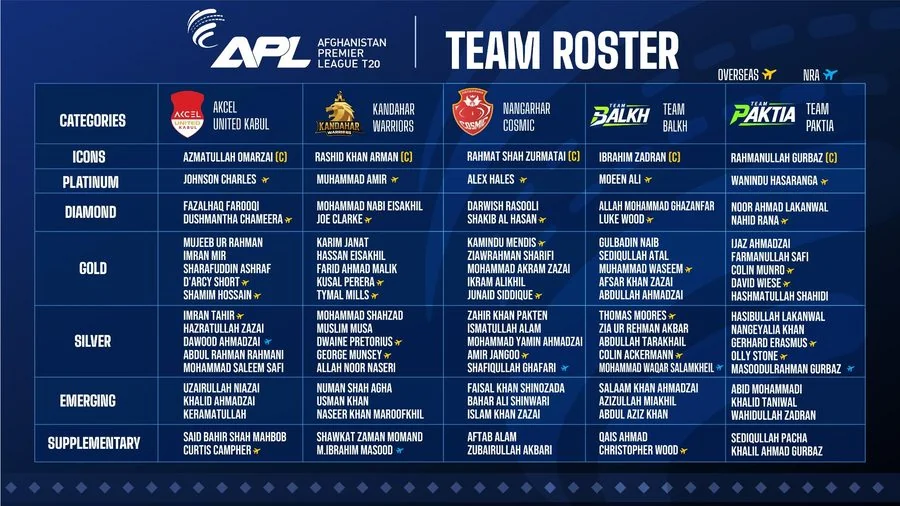
APL T20 2026 draft results from Dubai: 90 players from a pool of 462, Muhammad Amir the first pick, and every Platinum and Diamond selection, per the ACB.
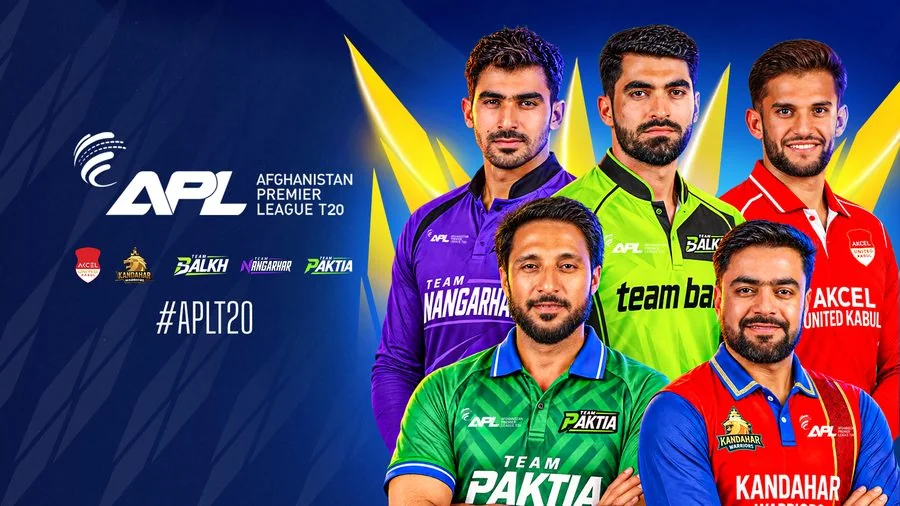
The APL T20 2026 starts on 27 December in the UAE at ICC-approved venues. What the ACB and league have confirmed, and what is still not announced.