
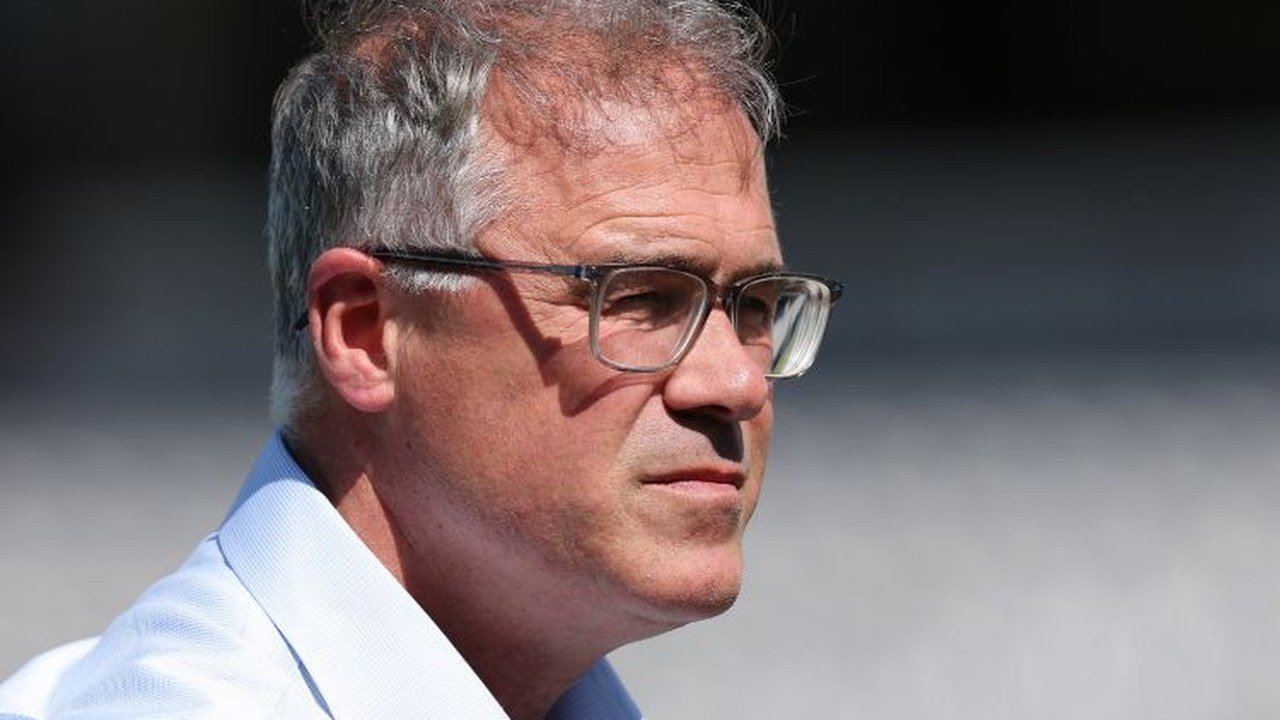
ECB Chief Richard Gould Concerned by APL
ECB chief Richard Gould is concerned by the Afghanistan Premier League, The Cricketer reports, over a league funded by ICC money meant for women's cricket.
The exiled women's team says overseas signings send the wrong message.
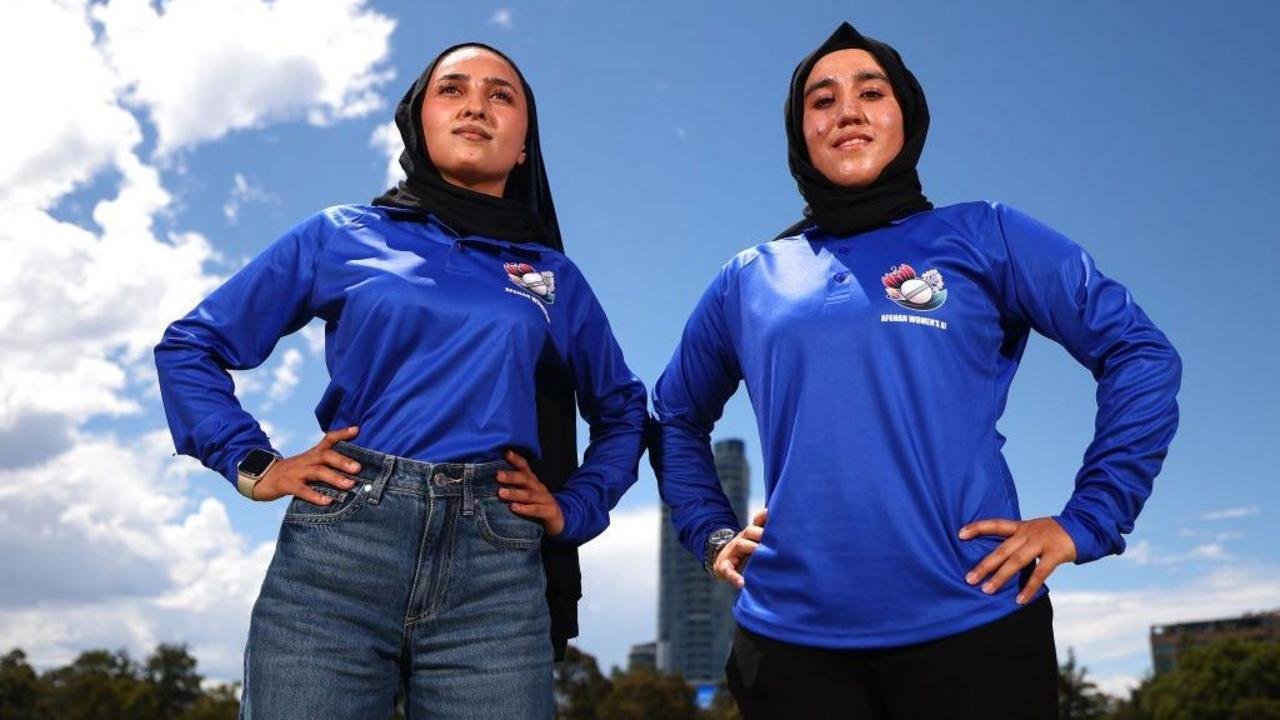
Afghanistan's exiled women cricketers have said they are disappointed that overseas players have signed up for the new Afghanistan Premier League, arguing that taking part sends a message that the way women are treated in the country does not matter. Nahida Sapan, who captained the Afghanistan refugee women's team on its tour of England this summer, said women's rights matter more than any league, any tournament or any pay cheque, and that foreign players had a real opportunity to stand with millions of Afghan women and girls by choosing not to take part.
Sapan was careful about what the criticism is and is not. This is not about being against cricket or Afghan men's cricket. It is about standing up for basic human rights. In her view, staying away would have been a small action that could have sent a powerful message and put pressure on those responsible. For her, the women and girls of Afghanistan come first, and taking part in the league without acknowledging what is happening to them risks telling the world that their suffering can simply be ignored.
Firooza Amiri, another former Afghanistan women's player who fled to Australia, spoke in the same terms. She said she left her country because women cannot play cricket there, and that no woman can dream of playing cricket in Afghanistan now. Seeing players from other countries take part makes her sad, she said, and every time the men's team celebrates a win she thinks about the girls in Afghanistan who are not allowed to play.
Eight English players were signed in the draft on Tuesday 3 November: Alex Hales, Tymal Mills, Joe Clarke, Olly Stone, Moeen Ali, Luke Wood, Tom Moores and Chris Wood. Scotland's George Munsey also secured a deal, as did Ireland all-rounder Curtis Campher. The major overseas names signed from other nations include Sri Lanka internationals Kusal Perera, Wanindu Hasaranga and Charith Asalanka, South Africa spinner Imran Tahir and Bjorn Fortuin, Australian batter D'Arcy Short and Bangladesh all-rounder Shakib Al Hasan. Two other England players, Dawid Malan and James Vince, also put their names into the draft. England will have more overseas representation than any other country in the league.
The signings landed in a debate that was already running. In September, the England and Wales Cricket Board urged players to reconsider their involvement, and batter Ollie Pope withdrew from the draft after the backlash. Two other English players, Will Smeed and David Willey, also pulled out before the draft. The players who stayed in were then picked on 3 November, and the question of whether they will actually take the field is still open.
The league is expected to start in December in the United Arab Emirates, but it is yet to be sanctioned by the International Cricket Council, and the approval process is still under way. That matters for the English players in particular. If the league is sanctioned, they would need a no-objection certificate from the ECB to take part, and the ECB said in January that it would not approve a certificate for an English player to compete in a league which is not sanctioned by the ICC. The ECB declined to comment on the women's team statement.
The sanction question sits alongside a funding argument. The ECB's chief executive has said he is concerned that the league will effectively be funded by ICC member contributions, money provided in the expectation that it will be used, in part, to develop women's cricket. The board plans to raise the funding question at ICC meetings next year. The ICC is yet to take action over Afghanistan's non-compliance with its own anti-discrimination policy, even though it grants the men's team Test status while the women's side has been dismantled.
The women speaking out are not outsiders to the game. The Afghanistan Cricket Board awarded professional contracts to 25 women players in 2020, and the group trained together as a national setup. When the Taliban returned to power in 2021, women's sport was effectively banned, and most of the players left the country for their own safety. Many are now based in Australia, where they play club cricket and train together, though they are not recognised as a national team. In 2021, the team wrote an open letter pleading for help as Kabul fell, describing themselves as in grave danger.
Since then, the players have kept their team alive without official status. They played an exhibition match against a Cricket Without Borders XI in Melbourne, their first match in almost four years, and a review of the ICC's support for the women's team in 2025 said that support lacked a clear vision. The ICC has since announced a dedicated initiative to support the displaced players, funded by the ICC itself together with the boards of India, England and Australia. None of that changes the position at home, where women and girls remain banned from playing cricket, from education beyond primary level, from most employment and from parks and gyms.
The tournament is scheduled to run from 27 December 2026 to 16 January 2027 in the United Arab Emirates, with five teams. Only three of the five franchises had been sold when the trophy was unveiled in August, and the remaining questions about sanctioning, certificates and funding are still unsettled. The eight English players cannot play until the ICC sanctions the league and the ECB issues their certificates, so their participation still depends on decisions that have not yet been made. Whatever those decisions are, the women's team has put a question over the league that will follow it into its first season: whether a tournament can celebrate Afghan cricket while the women who once played it are not allowed to play at all.
Nahida Sapan and Firooza Amiri are former Afghanistan women's players who fled to Australia after the Taliban returned to power in 2021. Sapan captained the Afghanistan Refugee Women's XI on its tour of England this summer. Both now live in Australia, where they train together with other exiled players, though the team is not recognised as a national side.
Eight English players were signed in the draft on 3 November: Alex Hales, Tymal Mills, Joe Clarke, Olly Stone, Moeen Ali, Luke Wood, Tom Moores and Chris Wood. Scotland's George Munsey and Ireland's Curtis Campher also signed. Ollie Pope, Will Smeed and David Willey withdrew from the draft before it took place.
Not yet. The approval process is still under way, with the governing body checking matters such as anti-corruption and anti-doping arrangements before giving the green light. If the league is sanctioned, English players will need a no-objection certificate from the ECB to take part, and the ECB has said it would not approve one for a league that is not sanctioned.
The tournament is scheduled to run from 27 December 2026 to 16 January 2027 in the United Arab Emirates, with five teams. The player draft was held on 3 November in Dubai, and only three of the five franchises had been sold when the trophy was unveiled in August.
ECB chief Richard Gould is concerned by the Afghanistan Premier League, The Cricketer reports, over a league funded by ICC money meant for women's cricket.
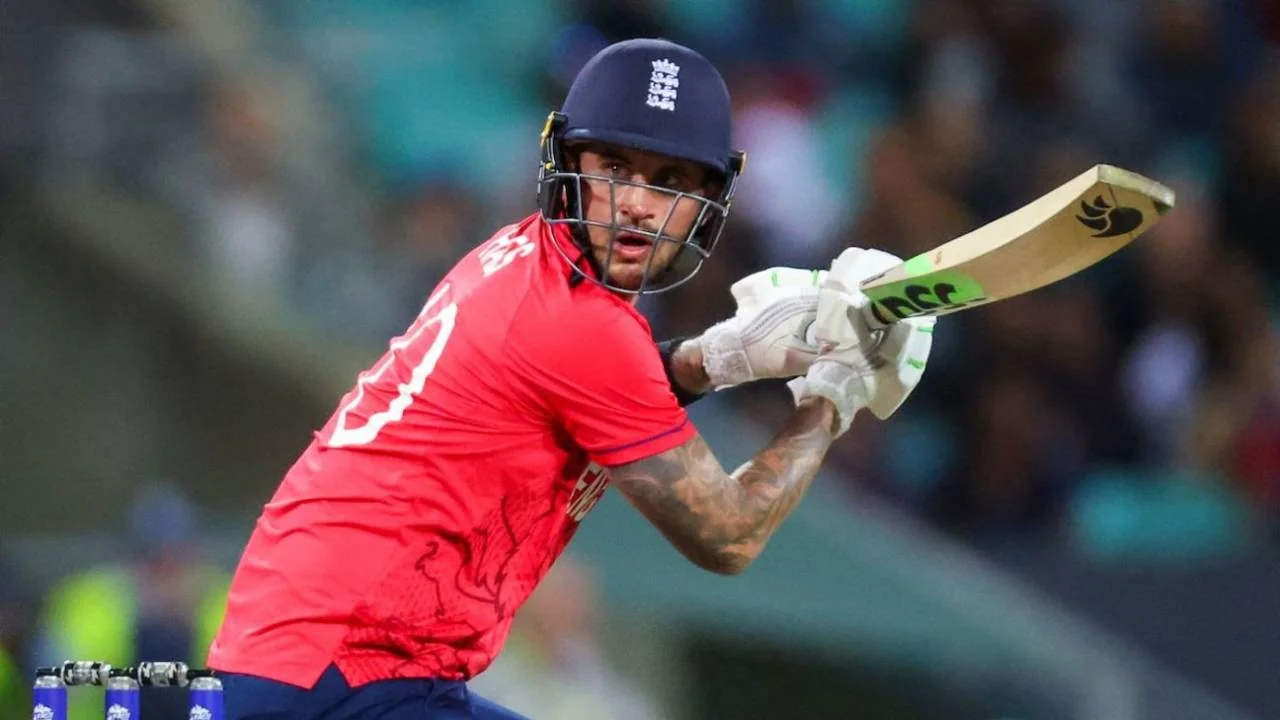
Eight English players, led by Moeen Ali and Alex Hales, signed at the APL draft in Dubai — but their places depend on an ICC sanction the league is waiting for.
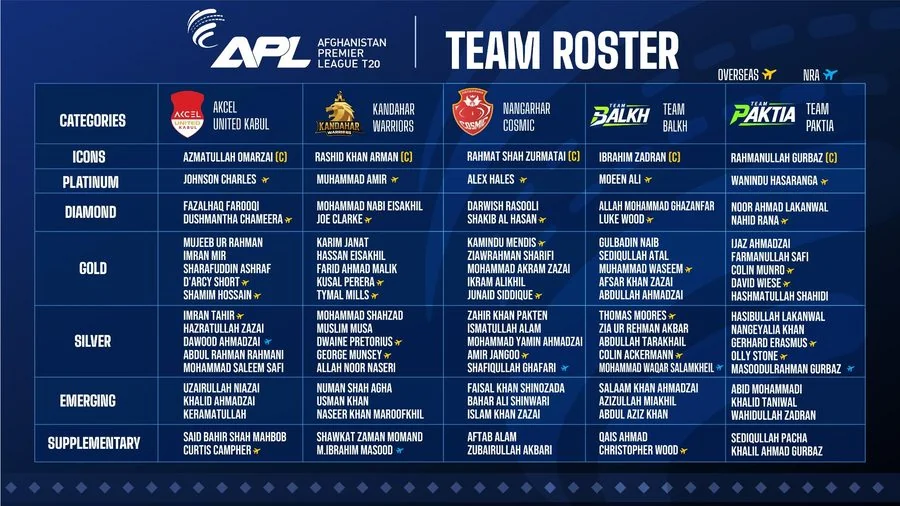
APL T20 2026 draft results from Dubai: 90 players from a pool of 462, Muhammad Amir the first pick, and every Platinum and Diamond selection, per the ACB.