

ECB Chief Richard Gould Concerned by APL
ECB chief Richard Gould is concerned by the Afghanistan Premier League over a league funded by ICC money meant for women's cricket.
The players' global body has entered the debate around the new league.
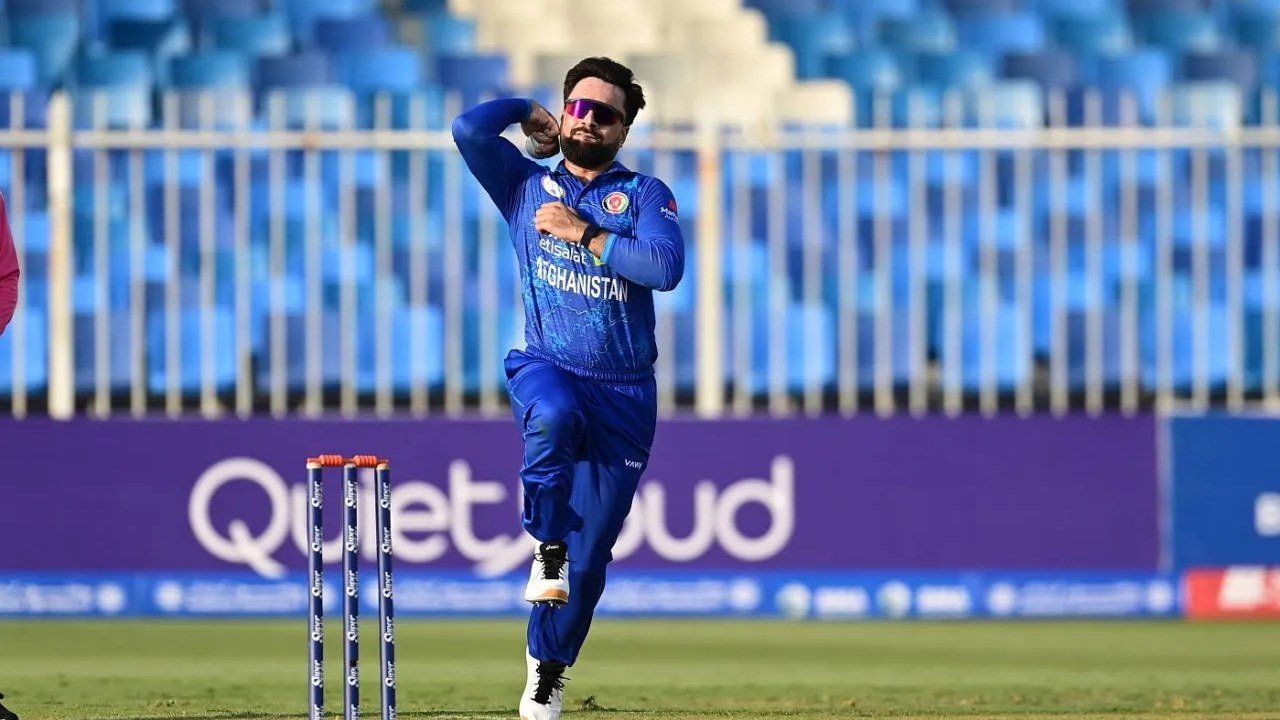
The World Cricketers' Association has weighed in on the Afghanistan Premier League, adding the global players' voice to the questions around the new league. The intervention comes with the tournament still waiting for formal sanction from the ICC, and with players and boards divided over whether overseas cricketers should take part in a league run by a board that fields no women's team.
The World Cricketers' Association, known as the WCA, is the global body that speaks for professional cricketers. It represents players from 17 of the top cricket countries, and its chief executive is Tom Moffat. Afghanistan has no players' association of its own, although some of the country's leading men are part of the WCA's global commercial programme.
The link between the WCA and the APL is closer than it may look. Rashid Khan, the Afghanistan star who will captain Kandahar Warriors in the new league, joined the WCA's Player Advisory Board in April 2026. The board sits beneath the WCA's full board and gives players a direct say in the body's positions on the game's biggest issues. When the WCA speaks about Afghanistan, one of the league's own captains is in the room.
That matters because the questions around the APL are, at heart, questions about players. Overseas players need permission to take part, home boards must decide whether to grant it, and individual cricketers must decide whether they want to be involved. A players' body weighing in does not settle those questions, but it changes who is asking them.
The APL is scheduled to start on 27 December 2026 in the United Arab Emirates, with five teams playing a double round-robin before the playoffs. The first ball is due on 27 December, but the tournament still awaits formal sanction from the ICC. Sanction is the ICC's formal approval of a tournament, covering matters such as anti-corruption and anti-doping arrangements. Until it arrives, no overseas player can be sure of taking part.
The Pakistan board has already refused no-objection certificates to its players. A no-objection certificate, usually shortened to NOC, is written permission from a player's home board to play in a league run by another board. The ECB has yet to decide on its eight English players, who were picked in the draft on 3 November. Cricket Scotland has said it will clear George Munsey, its only player in the draft, but only once the ICC sanctions the league.
The deeper question is about women's cricket. Women and girls have been banned from playing sport in Afghanistan since the Taliban returned to power in 2021. The Afghanistan Cricket Board is the only Full Member board in world cricket without a women's team, despite holding Full Member status since 2017. In 2020 the board contracted 25 women players, but they never played an international match. Afghan women players living in exile have said they are disappointed that overseas players are taking part in a league run by a board that fields no women's team.
The WCA has spoken about Afghanistan's women cricketers before. In January 2025, Moffat said the exclusion of women players in any country was unacceptable, and called the support for Afghanistan's exiled women cricketers random and inconsistent. He argued that cricket needed a systematic global approach instead of occasional shows of support, and that the ICC and national boards had a responsibility to use their leverage to protect players' rights.
Moffat also made clear that the WCA's answer was not a boycott. Collective action, he said, does not necessarily mean boycotts, and there are many ways to exercise leverage. The WCA said it was absolutely supportive of any player who wanted to speak up on the issue. The same week, the Afghan Women's XI played its first match, against a Cricket Without Borders team at the Junction Oval in Melbourne, with Nahida Sapan as captain.
Since then, the ICC has announced a dedicated initiative to support displaced Afghan women cricketers, funded by the ICC itself together with the boards of India, England and Australia. The fund will not include any contribution from the Afghanistan board's annual disbursements. The WCA's intervention on the APL lands in the middle of that wider argument: whether the game's institutions are doing enough, in a joined-up way, for the players who have lost the right to play.
The immediate question is the ICC's decision. If the ICC sanctions the league, the no-objection certificates should follow, and the overseas players picked in the draft will be free to travel to the UAE. If sanction is delayed or refused, the league loses its overseas stars, and the franchises will have to rethink their squads with the first ball less than seven weeks away.
The WCA's voice adds weight to the side of the argument that wants the league's questions answered before the cricket starts. For the players picked in the draft, the wait is now about more than paperwork. They must decide whether to play in a league whose approval is still pending, and whose critics include the women cricketers who cannot play at home. The league's first season was always going to be judged on the cricket. It is now being judged on something bigger, and the players' own body has joined that judgement.
The World Cricketers' Association, or WCA, is the global body that represents professional cricketers. It speaks for players from 17 of the top cricket countries, and its chief executive is Tom Moffat. Afghanistan has no players' association of its own. Rashid Khan, who will captain Kandahar Warriors in the APL, joined the WCA's Player Advisory Board in April 2026.
The league still awaits formal sanction from the ICC, and overseas players need no-objection certificates from their home boards before they can play. The deeper issue is women's cricket: women and girls have been banned from sport in Afghanistan since 2021, and the Afghanistan board is the only Full Member board without a women's team. Afghan women players in exile have said they are disappointed that overseas players are taking part.
In January 2025, WCA chief executive Tom Moffat called the exclusion of women players in any country unacceptable, and described the support for Afghanistan's exiled women cricketers as random and inconsistent. He called for a systematic global approach, said collective action does not necessarily mean boycotts, and said the WCA was absolutely supportive of any player who wanted to speak up.
The Afghanistan Premier League is scheduled to run from 27 December 2026 to 16 January 2027 in the United Arab Emirates, with five teams. As of 11 November 2026, the ICC had not yet formally sanctioned the league. That approval must come first: without it, overseas players such as George Munsey cannot receive the no-objection certificates they need to play.
ECB chief Richard Gould is concerned by the Afghanistan Premier League over a league funded by ICC money meant for women's cricket.
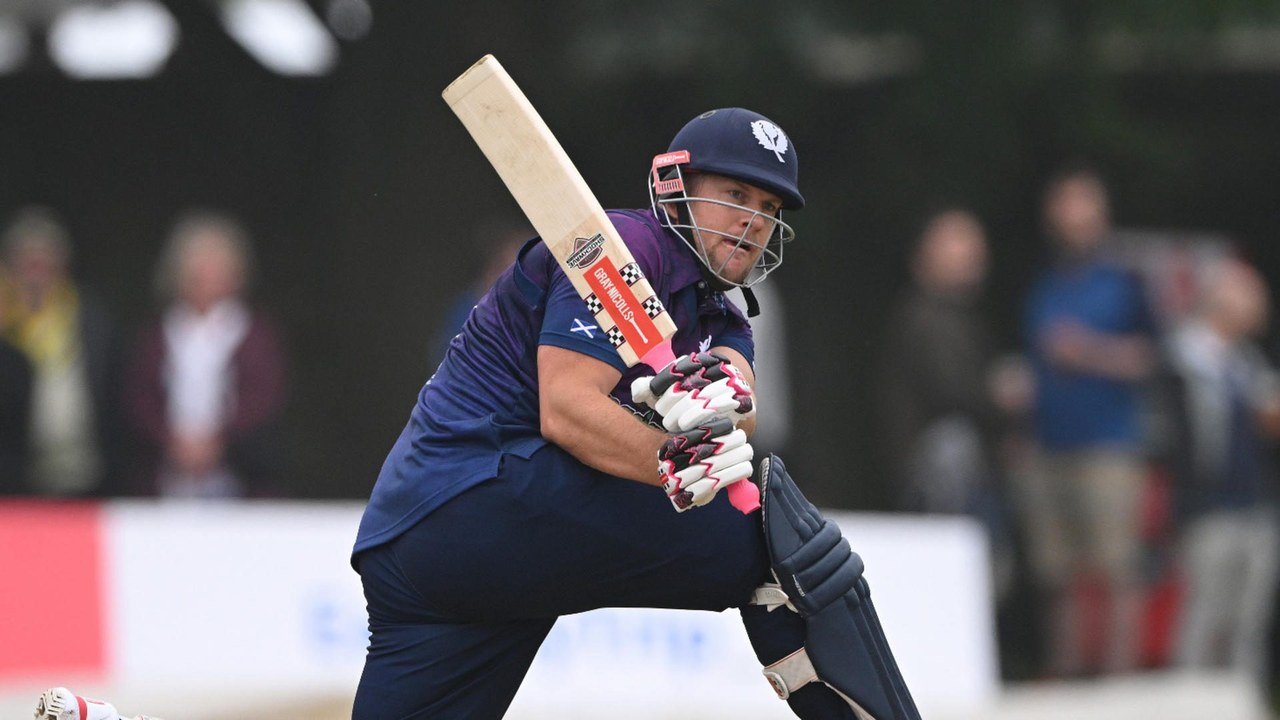
Cricket Scotland will issue George Munsey a no-objection certificate for the Afghanistan Premier League, but only once the ICC sanctions the league.
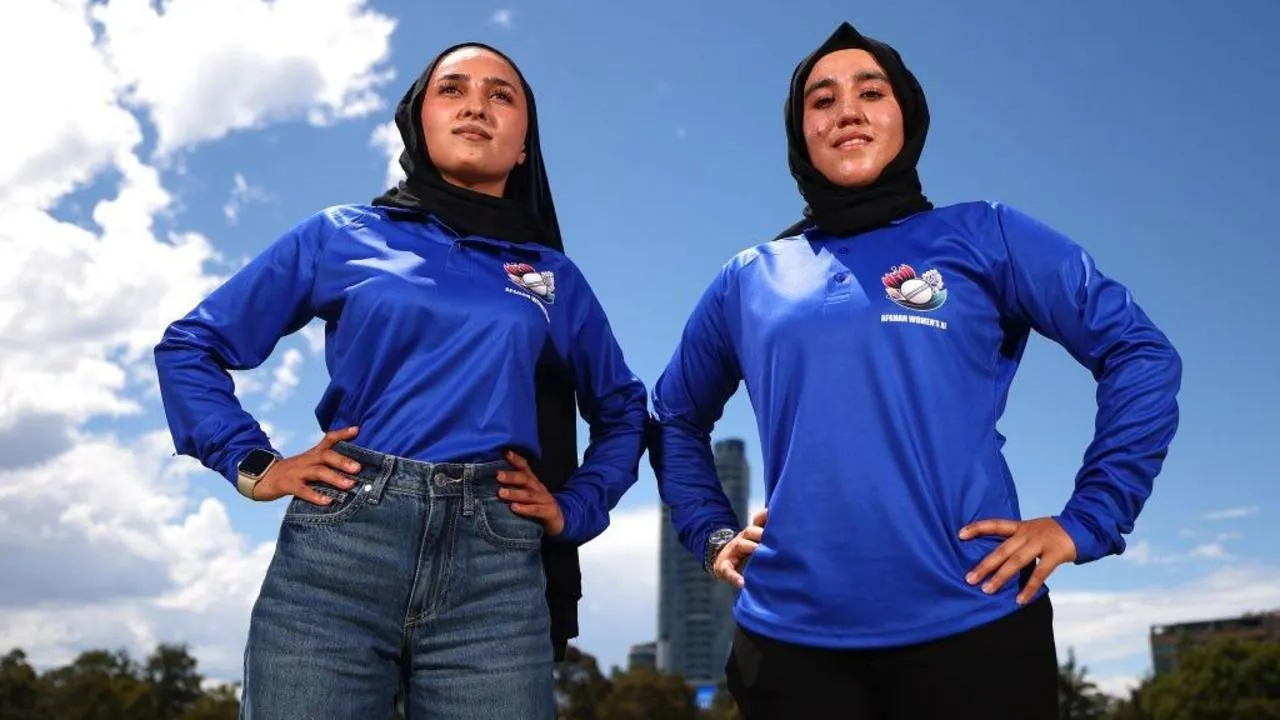
Afghanistan's exiled women cricketers say overseas players signing for the APL send the wrong message, and urged them to stand with Afghan women and girls.