
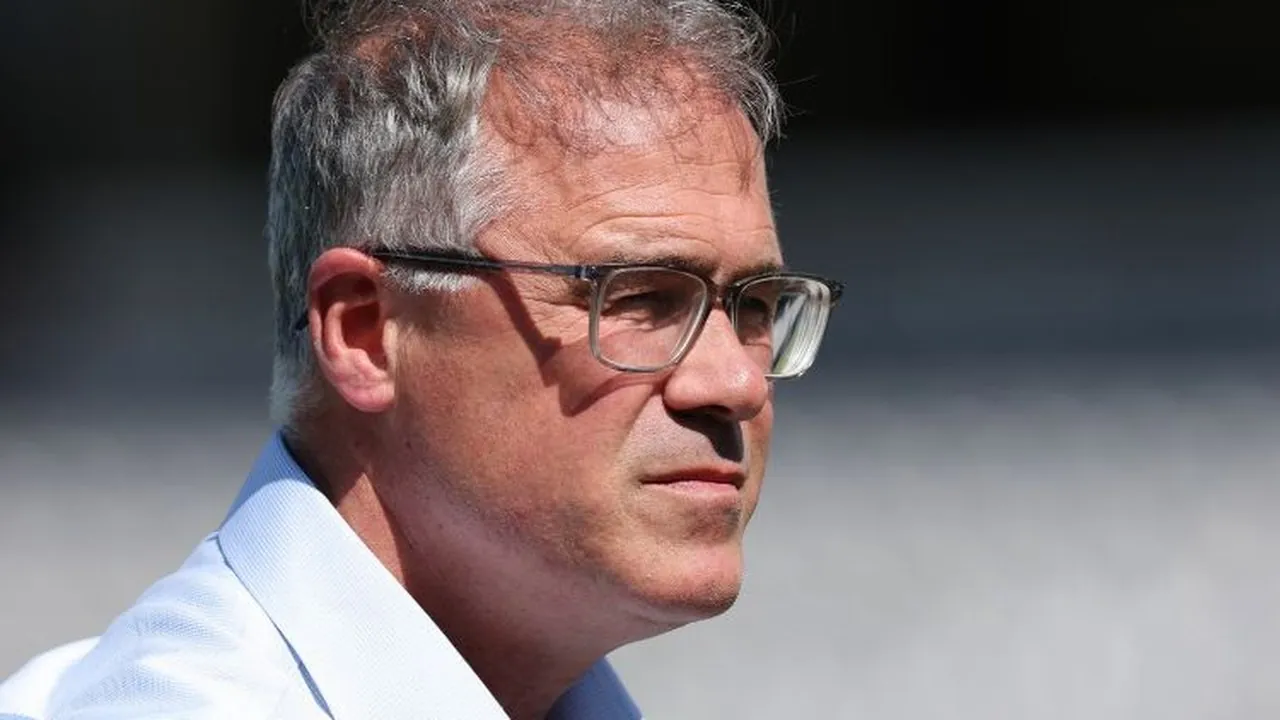
ECB Chief Richard Gould Concerned by APL
ECB chief Richard Gould is concerned by the Afghanistan Premier League over a league funded by ICC money meant for women's cricket.
Scotland's board has drawn a line on Afghanistan, and left one door open for its only APL player.
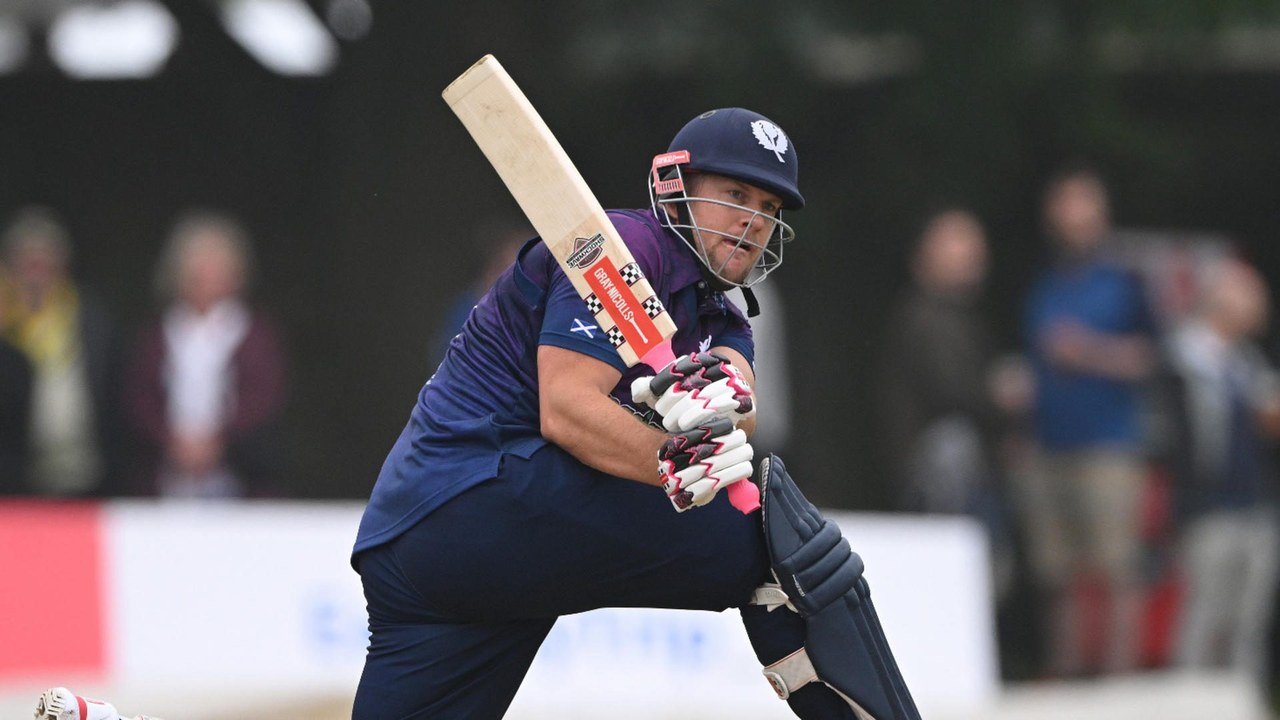
Cricket Scotland has announced it will not play Afghanistan outside ICC events, while leaving the door open for George Munsey to play in the Afghanistan Premier League. The board said on Monday, 9 November 2026, that its decision follows a review of its engagement with the Afghanistan Cricket Board, and that it will issue Munsey a no-objection certificate once the league receives formal sanction from the ICC. Munsey, an opening batter and a regular on the franchise circuit, was the only Scottish player picked in the APL draft on 3 November, when Kandahar Warriors signed him.
The decision covers all bilateral and tri-series cricket against Afghanistan. Scotland will only face Afghanistan when the ICC requires it to, at ICC events, including warm-up matches. The board said it will not proactively schedule any cricket against Afghanistan unless there is a material change in the circumstances around women's cricket in Afghanistan and wider human rights considerations. The policy will be reviewed every year, or sooner if the ICC makes a significant decision or circumstances change in a material way.
Scotland have not played Afghanistan in a full international since the 2021 T20 World Cup. The two sides have met only in warm-up matches before the last two T20 World Cups, in 2024 and 2026. The review began in the summer, after the Afghanistan board asked to use training facilities in Scotland before Afghanistan's tour of Ireland. That request was turned down because it came at the last minute and no suitable venues were free. The review was also prompted by a separate approach from the Afghanistan board about the availability of Scottish players for the new league.
The board told its contracted players, men and women, about the new policy on Monday. Its stance now matches the positions already taken by Cricket Australia and the England and Wales Cricket Board, who also refuse to play bilateral series against Afghanistan.
A no-objection certificate, usually shortened to NOC, is a simple idea. It is written permission from a player's home board to play in a league run by another board. Without it, a contracted player cannot take part. Boards use it to keep track of where their players are, to manage workloads, and to make sure a player is not caught between two employers at once.
Munsey needs one because the APL is an Afghanistan board tournament, played in the United Arab Emirates, and he is a Scotland player. He was picked by Kandahar Warriors in the draft as a Silver-category signing, and he would open the batting for the side if he plays. He is an attacking left-handed opener who has built his name at the top of the order for Scotland.
Cricket Scotland has confirmed it will issue the certificate, but only after the ICC sanctions the league. Sanction is the ICC's formal approval of a tournament, and it covers matters such as anti-corruption and anti-doping arrangements. Until that approval arrives, Munsey cannot be cleared to play, however much both he and his franchise want him there.
The board was careful about what the certificate would mean. "Cricket Scotland will comply with its obligations as set out in its contracts with its players," it said in a statement. "If an NOC is issued, participation by the player/s must not be interpreted as an endorsement by Cricket Scotland of the current Afghan regime or its policies." The point is plain: letting one player take part is a contractual matter, not a political statement.
The decision puts the league's sanction question back in the spotlight. The APL is scheduled to run from 27 December 2026 to 16 January 2027 in the United Arab Emirates, with five teams, and it still awaits formal sanction from the ICC. Every overseas player in the draft needs the same two things Munsey needs: ICC sanction first, then a no-objection certificate from his own board.
The picture around the league is now familiar. The Pakistan board has already refused no-objection certificates to its players, and the ECB has yet to decide on its eight English players. Afghan women players, meanwhile, have said they are disappointed that overseas players are taking part in a league run by a board that fields no women's team. Women and girls have been banned from playing sport in Afghanistan since the Taliban returned to power in 2021, and Afghanistan remains the only Full Member board without a women's team, despite being granted Full Member status by the ICC in 2017.
The immediate question is the ICC's decision. If the ICC sanctions the league, Cricket Scotland will issue Munsey's certificate and he will be free to join Kandahar Warriors in the UAE. If sanction is delayed or refused, he stays home, and the league loses its only Scottish player. The board has said it will look at its policy again every year, or sooner if the ICC makes a significant decision, so the position is not fixed for good.
For the league, the wait continues. The draft is done, the squads are set, and the first ball is due on 27 December. But the tournament still needs the ICC's approval before any of its overseas players can be sure of taking part, and Munsey's case shows how much now rests on that one decision.
George Munsey is Scotland's opening batter and a regular on the franchise T20 circuit. He was the only Scottish player picked in the Afghanistan Premier League draft in November 2026, when Kandahar Warriors signed him as a Silver-category player. He bats left-handed at the top of the order, and his clearance to play in the UAE now depends on the ICC sanctioning the league.
A no-objection certificate, or NOC, is written permission from a player's home cricket board to play in a tournament run by another board. Contracted players need one before they can join an overseas league. It protects the player's contract, lets the home board manage workloads, and confirms the player is free to take part. Cricket Scotland will issue one to Munsey only after the ICC sanctions the APL.
Only at ICC events. Cricket Scotland has said it will not schedule bilateral series or tri-series against Afghanistan, and will only face them when ICC competition rules require it, including warm-up matches. The two sides have not played a full international since the 2021 T20 World Cup. The policy will be reviewed every year, or sooner if there is a significant ICC decision or a material change in circumstances.
The Afghanistan Premier League is scheduled to run from 27 December 2026 to 16 January 2027 in the United Arab Emirates, with five teams. As of 10 November 2026, the ICC had not yet formally sanctioned the league. That approval must come first: without it, overseas players such as George Munsey cannot receive the no-objection certificates they need to play.
ECB chief Richard Gould is concerned by the Afghanistan Premier League over a league funded by ICC money meant for women's cricket.
The PCB will not issue NOCs to Pakistani players for APL 2026, shutting out 30+ registered players — while Mohammad Amir, as a British citizen, stays in.
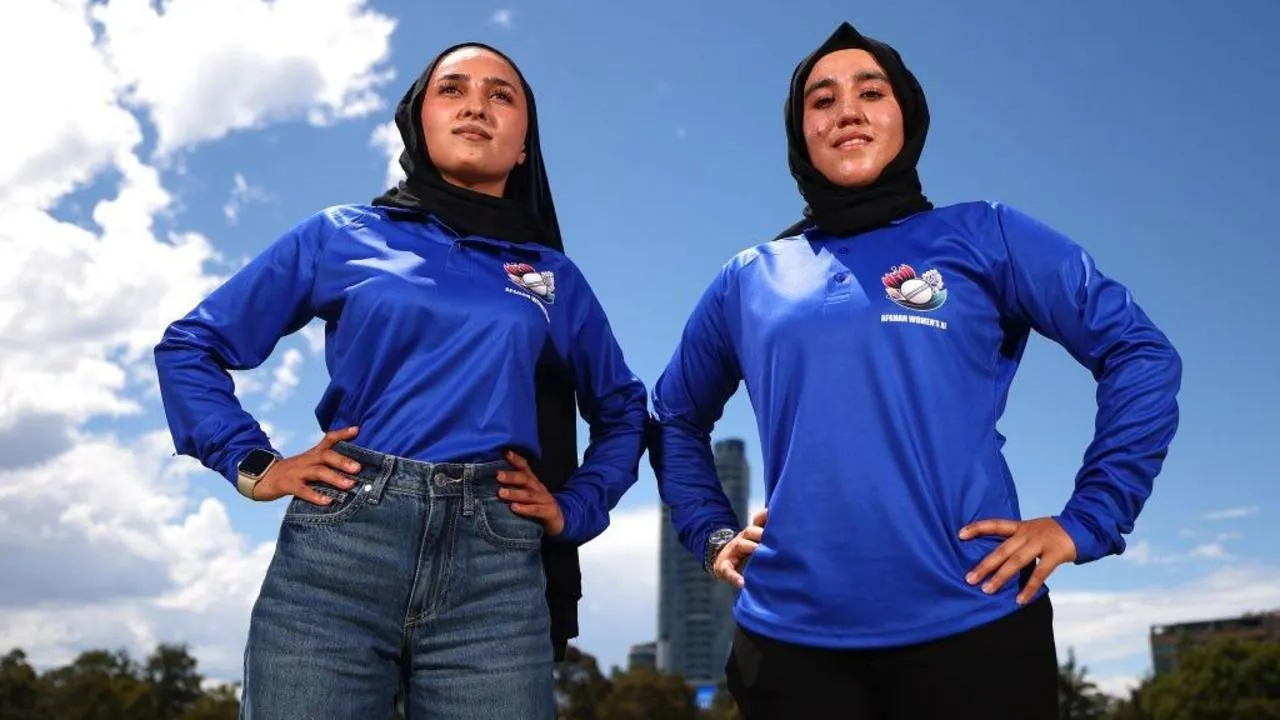
Afghanistan's exiled women cricketers say overseas players signing for the APL send the wrong message, and urged them to stand with Afghan women and girls.